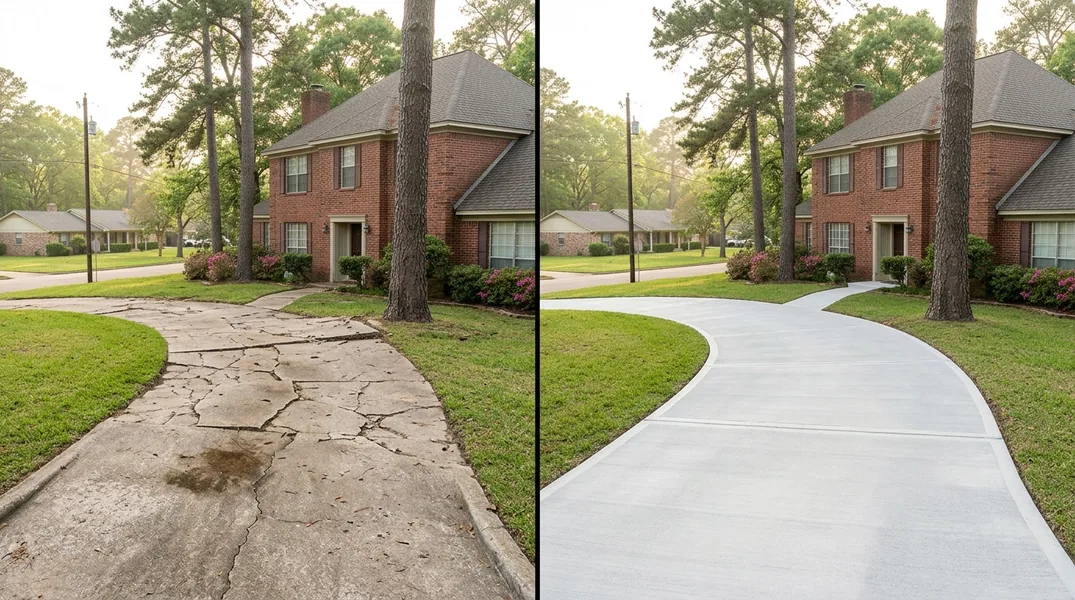
When to Pour Concrete in Tyler: Seasonal Considerations
If you're planning a Concrete Driveways project in Tyler, timing is everything. The season you choose to pour concrete directly impacts how well it cures, how long it lasts, and ultimately how much you'll enjoy your new surface. Tyler experiences a humid subtropical climate with hot summers, mild winters, and unpredictable spring weather. Understanding these patterns helps you avoid costly mistakes and ensures your concrete investment pays off for decades to come.
The ideal window for pouring concrete in Tyler typically falls in spring (March through May) and fall (September through November). During these months, temperatures are moderate, humidity is manageable, and you're less likely to encounter the extreme conditions that can compromise concrete curing. Winter and summer present challenges that require special attention, though they aren't impossible seasons for concrete work. The key is understanding what makes each season unique and how to adapt your project timeline accordingly.
Spring Concrete Pours: Opportunity and Risk
Spring is generally considered the best season for pouring concrete in Texas. Daytime temperatures typically range from 65 to 80 degrees Fahrenheit, which is ideal for the curing process. Concrete needs warmth to hydrate properly, but not so much heat that it dries too quickly and cracks. Spring temperatures hit that sweet spot, allowing concrete to cure at a steady, controlled pace. However, spring in Tyler comes with one significant wildcard: unpredictable rainfall.
Spring rain concrete pour timing requires careful weather monitoring. If rain falls on freshly poured concrete before it has cured sufficiently (typically 24 to 48 hours), it can compromise the surface finish and create weak spots in the material. Heavy rain can also cause pooling on the surface, which delays curing and can lead to discoloration or soft patches. Before scheduling a spring pour, consult with your contractor about the extended weather forecast. Many homeowners in Tyler choose to pour early in the week to maximize the chances of dry weather during the critical curing window. If rain is predicted within 48 hours of your pour date, it's usually wise to reschedule. This is why working with an experienced local contractor like Tyler Concrete, reachable at (903) 630-8670, makes such a difference. They know the local weather patterns and can help you choose the optimal window.
Concrete Curing in Texas Heat: Summer Challenges
Summer in Texas brings intense heat, and Tyler is no exception. From June through August, daytime temperatures regularly exceed 90 degrees Fahrenheit, and occasionally push toward 100 degrees or higher. While concrete does need heat to cure, extreme heat creates problems. When concrete is exposed to intense sun immediately after pouring, the surface dries much faster than the interior. This uneven drying causes the concrete to crack as the outer layer shrinks while the interior is still curing. Additionally, the intense heat can cause the concrete to cure too quickly, trapping moisture inside and creating weak spots.
If you must pour concrete during the summer months, several precautions become essential. Your contractor should use techniques like wet burlap covering, shade cloth, or even misting to slow the drying process and keep the concrete temperature more moderate. The concrete curing texas heat challenge also means you'll need extended curing time. While spring pours might be ready for light use in a week, summer pours often need 10 to 14 days of careful management. The pricing for summer pours may be slightly higher due to the additional labor and materials required to protect the concrete. If your project isn't urgent, postponing until fall typically results in better quality and lower costs.
Fall: The Overlooked Best Season
Many homeowners focus on spring but overlook fall as an excellent time to pour concrete. September through November offers conditions very similar to spring, but without the unpredictability of spring rain. Temperatures gradually cool from the summer highs to comfortable ranges, typically between 60 and 80 degrees Fahrenheit. The humidity drops, and rainfall becomes more predictable and manageable. For Concrete Patios and other projects, fall provides an ideal window where you can plan with confidence.
Fall is also strategically smart if you're planning multiple concrete projects. Perhaps you want Concrete Driveways in the fall and Concrete Patios in the spring. Staggering projects across seasons allows you to spread costs and gives you more flexibility. By October or November, your fall concrete will be fully cured and ready for winter, and you can start planning spring work. If you're in Whitehouse, Lindale, or Bullard, the same seasonal advantages apply. Call Tyler Concrete at (903) 630-8670 to discuss your project timeline and get a free estimate tailored to the best season for your needs.
Winter Concrete Pours: Proceed with Caution
Winter in Tyler is generally mild compared to northern states, but it still presents challenges for concrete curing. From December through February, temperatures often drop below 50 degrees Fahrenheit, and occasional freezes can occur. Concrete needs warmth to cure properly. When temperatures are too cold, the hydration process slows dramatically, and if the concrete freezes before it fully cures, it can suffer permanent damage. Freeze-thaw cycles are particularly problematic. If concrete is exposed to freezing temperatures, then warming, then freezing again during the curing phase, the internal structure becomes compromised.
Winter pours aren't impossible, but they require specialized techniques and usually cost more. Your contractor may need to use heated enclosures, specialized concrete mixes with accelerators, or thermal blankets to maintain proper curing temperatures. For decorative work like Stamped & Decorative Concrete, winter is especially challenging because the stamping and finishing work must happen during a narrow window, and cold temperatures can affect color and texture. Unless your project is urgent, winter is generally the least ideal season to pour concrete in Tyler. Most homeowners find it worth waiting for spring or fall to save money and ensure superior results.
Planning Your Concrete Project: Next Steps
The best time to pour concrete in Tyler ultimately depends on your specific situation, but spring and fall are your safest bets for quality results and reasonable costs. Before you commit to a date, consider whether your project is urgent or if you have flexibility. Think about what services you need. Are you installing Concrete Driveways, Concrete Patios, or considering Concrete Repair & Resurfacing on an existing surface? Different projects may have different seasonal considerations. For example, Concrete Repair & Resurfacing work might be easier to schedule in winter if the existing concrete is already mature and cured.
The next step is to reach out to Tyler Concrete for a consultation. Our team knows Tyler's climate intimately and can recommend the best timing for your project. We'll discuss your timeline, budget, and seasonal preferences, then provide a free estimate that accounts for any seasonal factors that might affect your pricing. Call us at (903) 630-8670 today to get started. Whether you're ready to pour this month or planning ahead for next season, we're here to help you make the right decision for your concrete investment.
Looking for a professional concrete contractor in Tyler? Tyler Concrete responds fast for all your concrete needs.
Get a Free QuoteOur services: Concrete Driveways · Concrete Patios · Stamped & Decorative Concrete